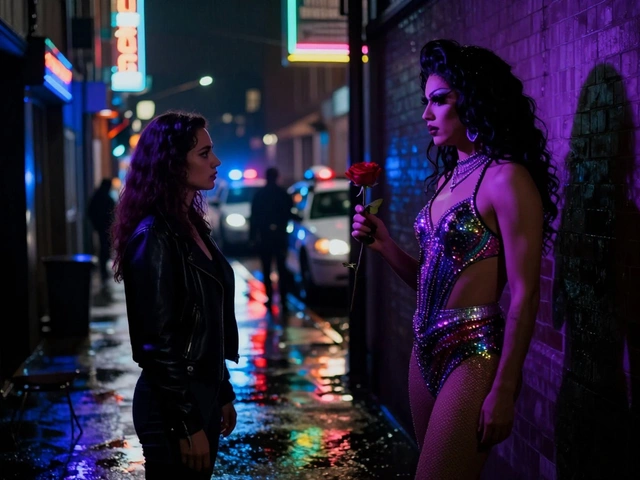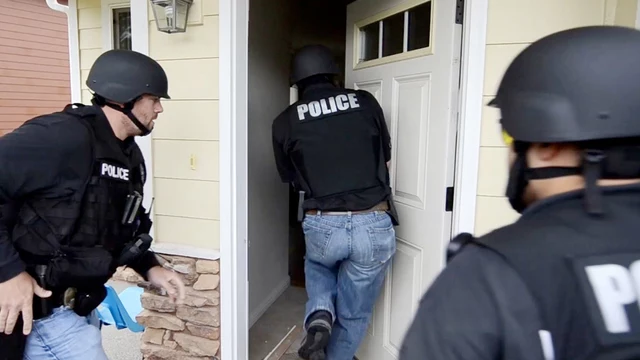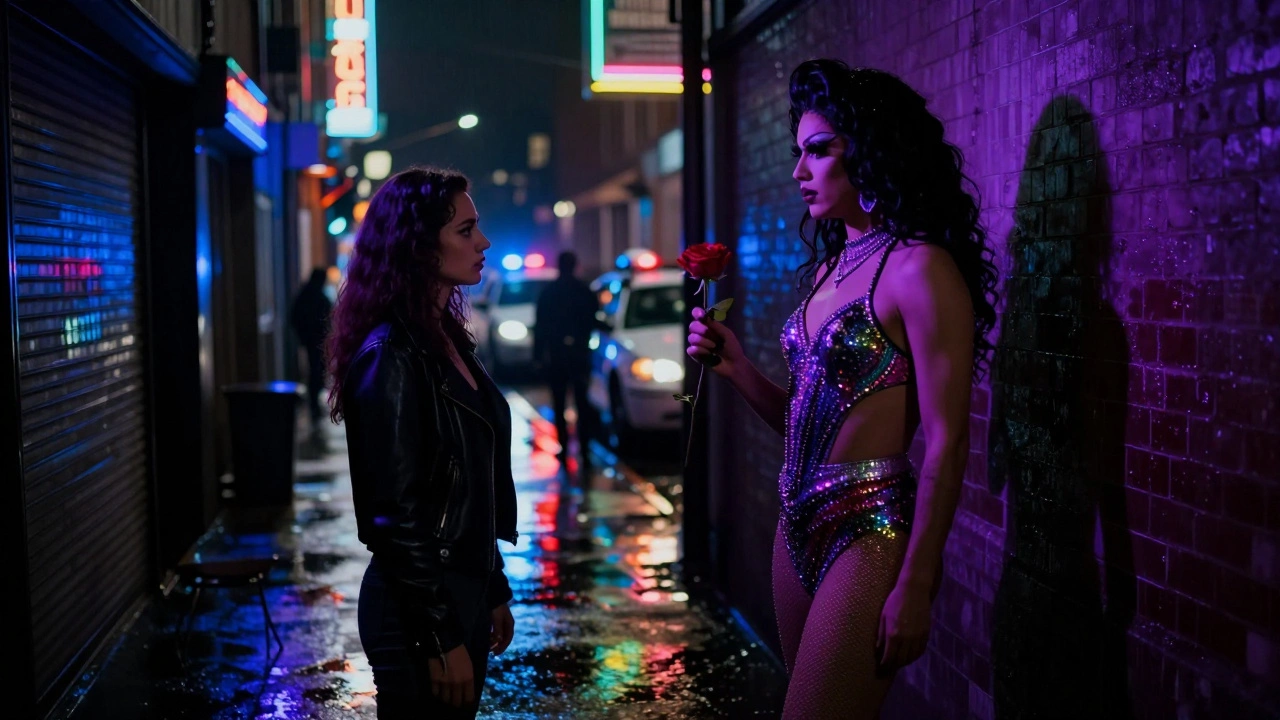
When lawmakers push through bans on drag performances, they don’t just target performers-they target everyone who exists outside rigid gender norms. As a sex worker, you know what it’s like to be policed for simply showing up as yourself. Drag bans aren’t about protecting children. They’re about controlling who gets to exist publicly, who gets to be seen, and who gets to be safe. These laws don’t stop at stages and clubs. They bleed into the streets, into housing, into police stops, into the way strangers look at you when you walk down the block. If you’re an escort girl in london, you’ve felt it: the way your identity becomes a target when politics turns against visibility.
Drag Isn’t Just Performance-It’s Survival
Drag has always been a form of resistance. In the 1960s, drag queens led the Stonewall uprising because they had nothing left to lose. Today, drag performers aren’t just entertaining crowds-they’re holding space for people who’ve been told they don’t belong. And sex workers? We’ve been doing the same thing for decades. We show up in public, in full expression, in the face of stigma, criminalization, and violence. Drag and sex work share more than visibility-they share survival tactics. Both rely on community, on coded language, on the ability to transform identity to stay alive.When a city bans drag shows, it sends a message: your expression is dangerous. That same message is whispered in alleyways when you’re asked for ID you don’t have, when a client reports you for ‘disturbing the peace,’ when a landlord kicks you out because your name doesn’t match your gender marker. Drag bans aren’t isolated-they’re part of a playbook that targets marginalized bodies. And if you’re an escort girl north london, you know how quickly a policy shift can turn your workplace into a crime scene.
Who Gets to Be ‘Innocent’?
The argument behind drag bans is always the same: ‘We’re protecting children.’ But who gets to be seen as innocent? A cisgender, straight, middle-class kid? Or a trans teenager in a shelter, a nonbinary teen with no family, a sex worker trying to pay rent? The people most at risk aren’t the ones on stage. They’re the ones being erased from public life.When drag is labeled ‘indecent,’ the logic extends to everything that looks ‘too queer’ or ‘too sexual.’ That includes sex workers. It includes people who wear makeup in public. It includes people who don’t conform to gendered dress codes. It includes people who need to earn money on their own terms. The same legislators pushing drag bans are the ones voting to defund harm reduction programs, cut housing support, and criminalize survival sex work. They’re not protecting kids-they’re protecting a system that lets the powerful decide who deserves safety.
Legal Attacks Are Connected
Look at the pattern: drag bans, anti-trans bathroom bills, bans on gender-affirming care, crackdowns on adult entertainment, zoning laws that push sex workers out of neighborhoods. These aren’t random policies. They’re coordinated. And they’re being pushed by the same groups who fund anti-abortion campaigns and oppose sex worker rights. The language is different, but the goal is the same: make marginalized people invisible, unemployable, and unlovable.When a city passes a drag ban, it gives police and city officials permission to escalate harassment. In places like Nashville and Tampa, police have used drag bans as cover to raid LGBTQ+ bars, detain performers, and shut down community events. That same energy gets redirected toward street-based sex workers. Suddenly, ‘public indecency’ charges spike. Suddenly, your car gets towed for ‘loitering.’ Suddenly, your phone number gets flagged as ‘suspicious.’ You’re not being targeted for what you do-you’re being targeted for who you are.
Why Fighting Back Isn’t Optional
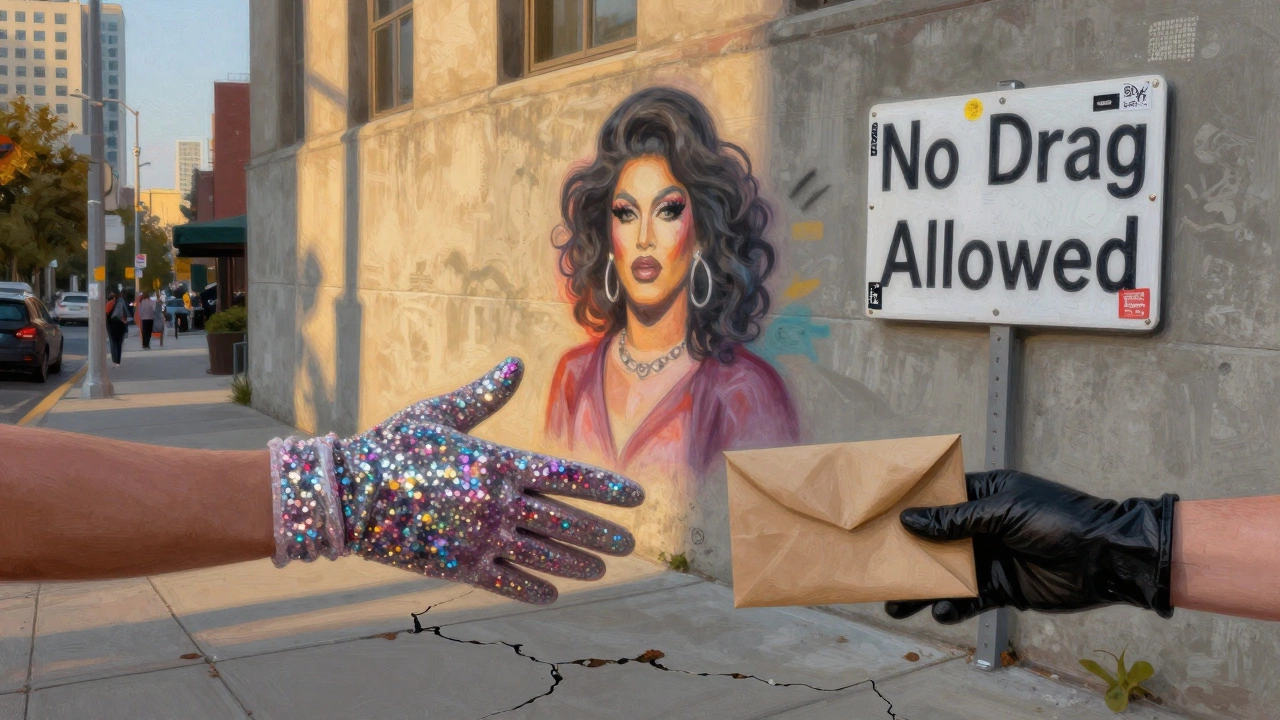
You don’t have to be on stage to be affected by drag bans. You don’t have to perform to be a target. If you’re a trans woman, a nonbinary person, a queer person, or a sex worker-your existence is already under attack. Fighting drag bans isn’t about solidarity alone. It’s about self-preservation. When one group is criminalized, the legal tools used against them become the tools used against everyone else.Organizations like the Transgender Law Center and the Sex Workers Project have been documenting how drag bans lead directly to increased police violence against trans and gender-nonconforming people. In 2024, a study by the Urban Justice Center found that cities with active drag bans saw a 42% increase in arrests of sex workers under vague ‘public decency’ statutes. That’s not coincidence. That’s strategy.
If you’re an escort girl london, you’ve probably had a client ask if you’re ‘safe’ in your neighborhood. You know what that means. You know what happens when the city decides your presence is a problem. Drag bans don’t make streets safer-they make people easier to punish.
What You Can Do-Even If You’re Exhausted
You don’t need to march. You don’t need to speak at a city council meeting. You don’t need to become an activist. But you do need to show up in small, real ways.- Share stories from drag performers in your area. Amplify their voices when you can.
- Donate to mutual aid funds that support both drag artists and sex workers. Many groups run the same funds.
- Call out misinformation when you see it. If someone says ‘drag is grooming,’ ask them why they think that.
- Support local queer-owned businesses-even if it’s just buying coffee or a tattoo.
- If you’re in a position to hire, hire trans and queer people. Include them in your network.
These aren’t grand gestures. They’re lifelines. And in a system designed to isolate us, connection is resistance.
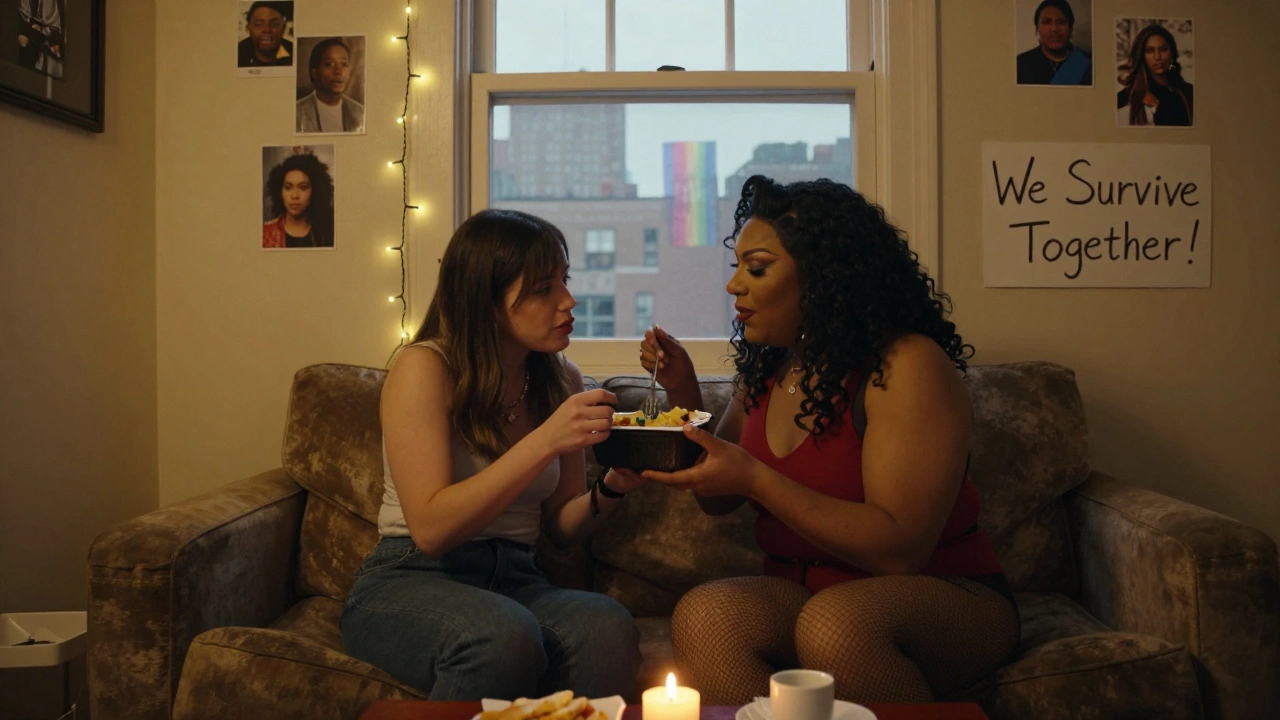
The Real Threat Isn’t Drag-It’s Silence
The most dangerous thing about drag bans isn’t the law itself. It’s the silence that follows. The way people look away. The way friends stop talking about it. The way you start to wonder if you’re overreacting.You’re not. The system wants you to believe your fight is separate from theirs. That your survival doesn’t matter to their stage. That your body is too ‘dirty’ to be defended. But the truth is, we’ve always been in this together. Drag queens saved sex workers during the AIDS crisis. Sex workers raised money for trans youth when no one else would. We’ve been each other’s family when the world refused to see us as human.
If you’re fighting to stay alive-whether you’re on a stage, on the corner, or in a studio apartment-you’re already part of the resistance. You don’t need permission to fight back. You just need to remember: your existence is the protest.
What Happens When We Stop Fighting?
History shows us what happens when marginalized communities stop resisting. The 1980s saw the criminalization of gay bars, the rise of anti-prostitution laws, and the defunding of community health centers. The result? Thousands dead, entire generations lost, and a culture of shame that still echoes today.Drag bans are the next step in that same playbook. They’re not about morality. They’re about control. And if we let them pass without pushback, the next target won’t be drag performers. It’ll be you. It’ll be the next person trying to earn a living on their own terms. It’ll be the next kid who just wants to wear a dress to school.
Don’t wait for someone else to speak up. Don’t wait until it’s your name on the news. The time to act is now-because silence doesn’t protect you. It just makes it easier for them to take more.