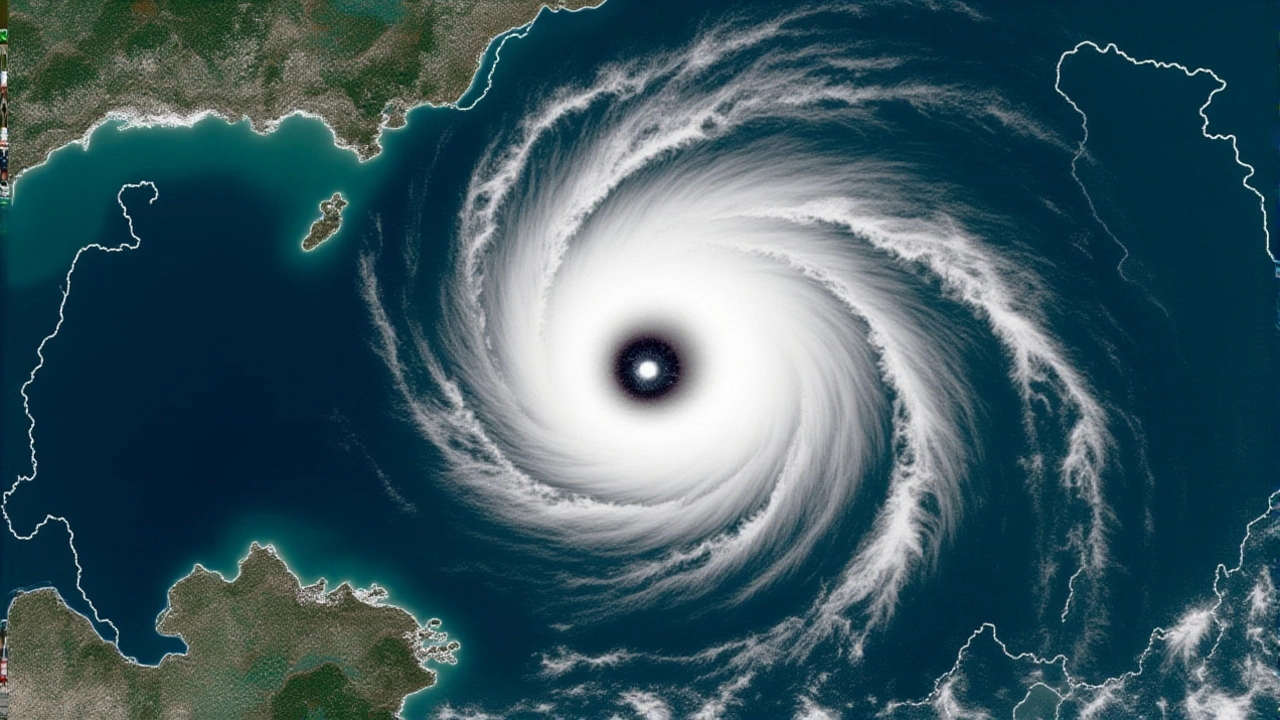
It’s a scenario marine biologists have been dreading for months, and now the warning is official. The National Oceanic and Atmospheric Administration (NOAA) has issued a stark alert: we are on the brink of the fourth global mass coral bleaching event in history. This isn’t just another bad year for reefs; it’s potentially the worst catastrophe for marine ecosystems since records began. The trigger? A powerful 2026 El Niño weather system that is pushing ocean temperatures to unprecedented highs, threatening to bleach swaths of tropical reefs from the Caribbean to the Pacific.
Here’s the thing: this isn’t theoretical. As of May 22, 2026, heat stress measurements across the Atlantic and Pacific basins are already flashing red. NOAA officials are currently waiting for final confirmation from scientists monitoring the Indian Ocean to officially declare the global event, but the consensus among experts is grim. "Dread" is the word used by researchers in Bangkok when describing the outlook. With sea surface temperatures hitting their highest monthly average since satellite records began in 1982, the window for prevention has effectively closed.
The Mechanics of Marine Collapse
To understand why this matters, you have to look at what’s happening underwater. Corals aren’t just rocks; they’re living animals that host microscopic algae called zooxanthellae inside their tissues. These algae provide up to 90% of the coral’s energy through photosynthesis and give them their vibrant colors. When water gets too hot—just one or two degrees above normal—the corals get stressed. They expel the algae. Without their food source and color, the corals turn bone-white. That’s bleaching. If the heat persists, the corals starve and die.
The twist with the current crisis is the scale. For a mass bleaching event to be classified as "global," specific thresholds of heat stress must be met across all three major ocean basins: the Atlantic, Pacific, and Indian Oceans. During the previous global event from 2014 to 2017, more than 70% of the world’s coral reefs experienced heat stress severe enough to cause bleaching or mortality. Now, with baseline ocean temperatures already elevated due to long-term climate change, even a moderate El Niño can push reefs over the edge.
Research published in PubMed Central highlights a critical detail: the strongest signal for El Niño-associated bleaching correlates with long-term mean temperature. In simpler terms, reefs in warmer regions are far more vulnerable because they have less thermal buffer. The 1997-1998 El Niño was devastating, but today’s oceans are starting from a much hotter baseline, making recovery harder and damage faster.
A Double Jeopardy for the Great Barrier Reef
Nowhere is the threat more palpable than in Australia. The Great Barrier Reef, the world’s largest coral reef system, is facing a "double jeopardy" scenario. According to the Barrier Reef Organization based in Townsville, Queensland, El Niño typically brings warmer, drier atmospheric conditions. This means reduced cloud cover. Less cloud cover means more direct solar radiation hitting the water, which spikes sea temperatures further.
It’s a vicious cycle. The air heats the water, and the lack of clouds allows the sun to bake it further. This combination increases the risk of not only coral bleaching but also droughts and bushfires on land, compounding the environmental stress on the entire ecosystem. Scientists warn that significant portions of the reef could suffer irreversible damage if these conditions persist through September 2026, as NOAA currently forecasts.
Pockets of Hope Amidst the Crisis
But wait—it’s not entirely hopeless. While the macro-level data is alarming, there are micro-level successes offering a glimmer of light. A recent study by researchers from the University of Exeter in England, working with international teams, revealed something promising. Active restoration efforts, such as planting new coral fragments on degraded reefs, can lead to rapid recovery. In some cases, restored areas grew as fast as healthy reefs within just four years.
Dr. James R. Guest and his team at the University of Exeter’s Global Systems Institute have demonstrated through field studies in the western Indian Ocean that human intervention can accelerate natural regeneration processes significantly. However, marine biologists are quick to add a crucial caveat: "The scale of damage that it causes cannot be repaired by restoration projects alone." Restoration is a bandage, not a cure. It works best in pockets where local conditions allow, but it cannot stop a global thermal event.
As noted in reports from EarthX News, while there are "pockets of hope" and reefs showing "very fast recovery" from previous events, the sheer magnitude of the 2026 threat dwarfs past challenges. The Coral Restoration Foundation in Coral Gables, Florida, continues its work, but they acknowledge that without addressing the root cause—rising ocean temperatures—restoration will always be playing catch-up.
What Happens Next?
The immediate future looks tense. NOAA expects the current heat stress to continue through at least September 2026. As the El Niño pattern strengthens throughout the year, the risk of expansion into additional reef systems grows. The scientific community is closely monitoring satellite data via the Coral Reef Watch program, which tracks thermal stress in real-time to predict bleaching outbreaks.
For policymakers and coastal communities, the message is clear: adaptation strategies need to move beyond conservation to active management. This includes reducing local stressors like pollution and overfishing to give reefs the best possible chance of surviving the heat. But ultimately, the fate of these ecosystems hinges on global climate action. The 1998, 2010, and 2014-2017 events were warnings. This fourth event feels less like a warning and more like a deadline.
Frequently Asked Questions
Why is the 2026 El Niño considered worse than previous ones?
The 2026 El Niño is occurring against a backdrop of record-high baseline ocean temperatures. Research indicates that bleaching incidence is higher in regions with warmer long-term mean temperatures because corals have less thermal resilience. Combined with the intensity of the El Niño itself, this creates a perfect storm for widespread mortality.
Can coral reefs recover from this level of bleaching?
Recovery is possible but slow and uncertain. Studies from the University of Exeter show that active restoration can help reefs recover within four years in specific areas. However, scientists warn that the scale of global damage may exceed the capacity of restoration projects, meaning some reefs may not fully recover without significant reductions in global warming.
How does El Niño specifically affect the Great Barrier Reef?
El Niño brings warmer, drier air and reduced cloud cover to northeastern Australia. This lack of cloud cover allows more solar radiation to heat the shallow waters of the Great Barrier Reef, creating a "double jeopardy" effect where both atmospheric and oceanic heat stress combine to accelerate coral bleaching.
When will NOAA officially declare the fourth global bleaching event?
NOAA requires heat stress data from all three major ocean basins (Atlantic, Pacific, and Indian) to meet specific thresholds. As of late May 2026, data from the Atlantic and Pacific is conclusive, but officials are awaiting final confirmation from Indian Ocean scientists before making the official declaration.
What role do zooxanthellae play in coral bleaching?
Zooxanthellae are symbiotic algae that live inside coral tissues, providing up to 90% of the coral's energy through photosynthesis. When water temperatures rise, corals expel these algae to survive the stress. Without them, the corals lose their color and primary food source, leading to starvation and death if the heat persists.